

The Truth About Divorce & Family Law: Communication, Costs & Trust Matter Most, w. Kirk Stange

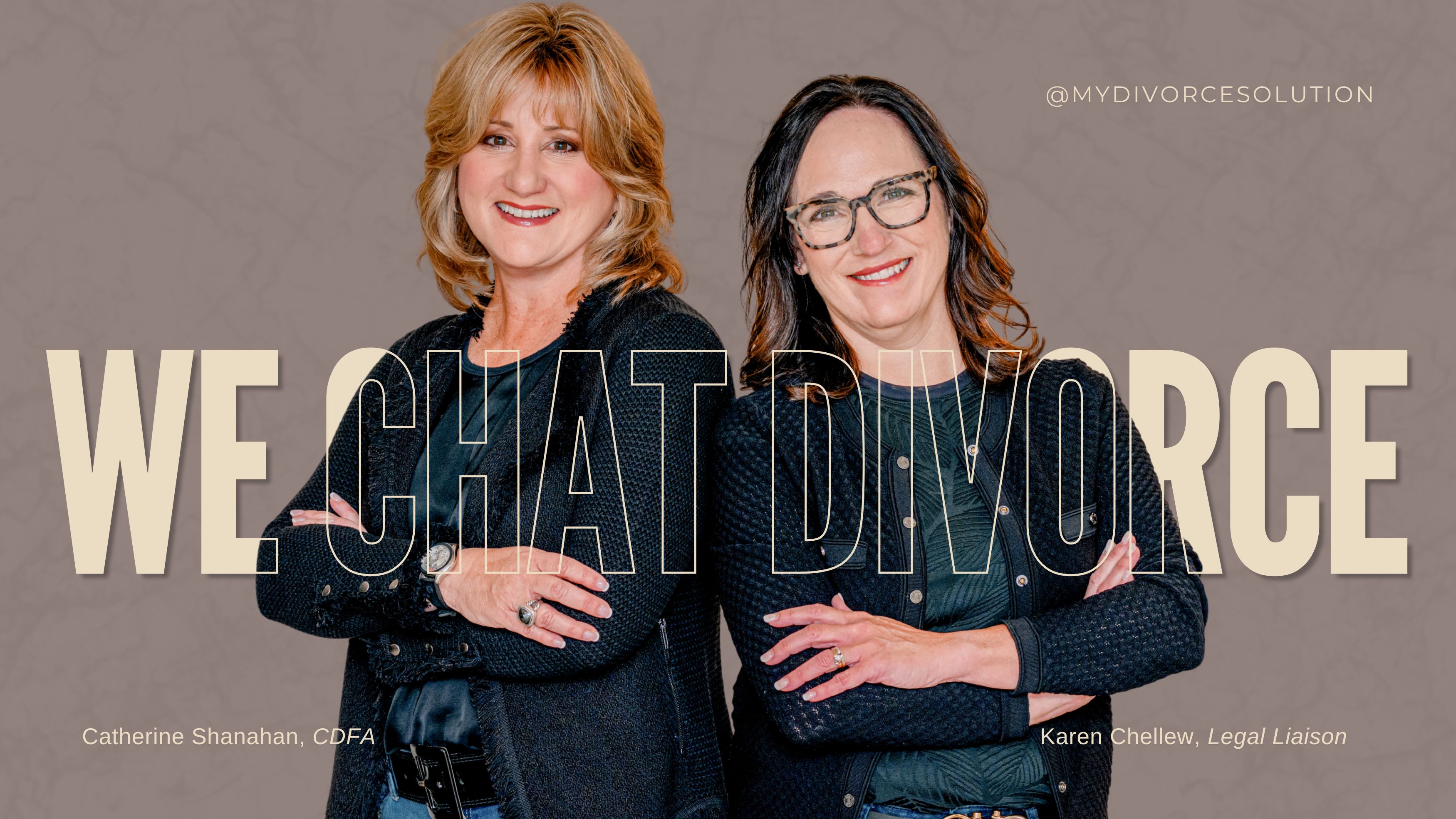
What really happens behind the scenes at a divorce law firm? In this eye-opening episode of We Chat Divorce, co-founders Karen Chellew and Catherine Shanahan sit down with Attorney Kirk Stange, Founding Partner of Stange Law Firm, to uncover the truth about how family law really works—from the attorney’s side of the table.
Kirk has guided clients through divorce for more than 20 years, leading a firm with offices across 30 states. He joins Karen and Catherine for a candid conversation about what makes a great divorce attorney, why so many clients lose trust in the legal process, and how preparation and financial clarity can change everything.
Together, they discuss:
- What makes a lawyer truly good at family law
- Why some attorneys avoid going to trial (and what that means for you)
- How judges pressure lawyers to settle cases
- The real story behind billable hours and “winning” in divorce
- Why financially prepared clients make better decisions
If you’ve ever felt frustrated or confused by your attorney—or just want to know how to work smarter with one—this episode will change the way you see the legal side of divorce.
👉 Learn how the MDS Financial Portrait™ gives you the clarity and confidence to protect your future and collaborate effectively with your attorney. azure-emu-499854.hostingersite.com/
Hosts: Karen Chellew, Legal Liaison & Co-Founder of My Divorce Solution -and- Catherine Shanahan, CDFA®, Divorce Financial Specialist & Co-Founder of My Divorce Solution
Guest: Kirk C. Stange, Founding Partner & President, Stange Law Firm
Episode Transcript
0:01
Welcome to WeChat Divorce, hosted by Karen Chalou, Legal Liaison and Catherine Shanahan, CDFA.
Each episode we sit down with divorce professionals and industry experts to provide insights and frank discussions about real people, real situations, and real divorce to help you achieve your best life post divorce.
0:39
Welcome back to WeChat Divorce, brought to you by My Divorce Solution.
I’m Karen Shalu, your legal liaison, helping you move through the divorce process with clarity and confidence.
And I’m Catherine Shanahan, certified Divorce Financial Analyst and your financial guide through all the unknowns of divorce.
0:56
At MD’s, we believe preparation leads to peace and confidence.
And today it will be really exciting to have an attorney on Karen that I hope to ask questions that I’ve been dying to ask.
I hope he’s one of those types that can engage and really gives us, gives us some insight to what it’s like.
1:16
Yeah, from the legal perspective, from the attorney’s perspective, I should say.
Yeah.
It’s always good to get on the back end of a law firm, right, and see how they operate and what goes on because it gives a different lens and perspective into their expectations and really how financial clarity and knowledge plays a huge role in the divorce process because they really do benefit when clients are prepared walking through the door.
1:45
Yeah.
And and, you know, it’s so hard because people just don’t trust their attorneys too much anymore because I think they just don’t know what’s happening behind the scenes.
They don’t really understand it.
You know, listen, most people have gone through their divorce the first time.
And how would they know to?
2:01
Hopefully he can answer some of those questions for us.
He’s in multiple states so I’m sure he has different perspective on a few things.
For sure.
So today we’ll we’ll be welcoming attorney Kirk Stingy, someone who spent his entire legal career guiding people through these complexities, offering not just legal representation, but clarity, advocacy, and strategy during some of life’s most difficult moments.
2:31
We’re so pleased to welcome Kirk Stingy to the podcast today.
Welcome, Kirk.
Thanks for having me, it’s an honor.
Yeah, we’re really looking forward to the conversation.
Kirk is the founding partner and president of Stanley Law Firm, a family law firm with 29 offices across the Midwest and beyond, including Missouri, Illinois, Kansas, Oklahoma, Nebraska, Indiana, Iowa, Texas, and Kentucky.
2:55
Kirk has practiced since he’s practiced law since the year 2000.
He holds licenses in multiple States and speaks regularly and legal at legal seminars across the country.
He’s also published author and podcaster who’s committed to helping families navigate all aspects of family law, from divorce and custody to financial matters, greenups and more.
3:18
Kirk, welcome to WeChat Divorce.
We’re so glad again to have you with us.
Yeah, thanks for having me.
Can you start by sharing what first drew you to family law and what’s kept you in it for over 2 decades?
Because it’s not an easy industry to maneuver.
3:36
Yeah, it was actually a big accident.
I mean, when I went to law school, I didn’t think I was going to do family law.
I I mean, I never even had that in mind.
I did take the class and in law school and and I’ll say I was mildly interested in it, but it wasn’t even my favorite class, so I never thought I’d be doing family law.
3:52
I mean, I was really into, I don’t know, I mean, back in the day, I like constitutional law and, you know, it’s some political interest in these kinds of things.
And that’s kind of where I thought I would go.
But the first job I had out of law school was a general practice law firm, very small law firm.
4:08
There are three partners there.
One of them did family law.
He went on medical leave.
He was out sick for a while.
And the way it worked, as they said, Kirk, you got to take on his divorce and family law cases.
None of us, none of us want to do them.
So I took on his cases while he was out for a while.
4:25
And I guess I was good, good at it.
I mean, clients started referring other people to me.
I did figure out I like being in court.
And, you know, I like court.
I mean, transactional law, just sitting at a desk wasn’t going to be for me.
So I enjoyed that piece to it too.
4:41
And, you know, interpersonal relationships, dealing with clients and stuff like that was, you know, something I enjoyed, was fairly, fairly good at.
I have a teaching certificate as my undergrad degree.
So I kind of learned I could really kind of help educate these clients going through divorce and family law matters about the law and their options.
5:00
And, and so that seemed like a good fit, my ability to kind of piece things together for these clients.
And yeah, I mean, it just turned it was a big accident.
And then, you know, slowly but surely, probably by about Year 5 as a lawyer, you know, that I exclusively did family law and I haven’t really done much else since.
5:16
But yeah, it was a it was a big accident.
Yeah.
Great, seems like it was meant for you.
Yeah, I mean, I think so.
You know, obviously, you know, there’s tough days, there’s good days.
I mean, there’s some days early in my career, you know, when I was doing family law, that I kind of doubted whether this is something I was going to keep doing.
5:35
But I mean, it really build on itself.
I mean, it wasn’t long before, you know, people were referring friends, family members.
You know, I was hearing from people that I went to high school with and college, and it’s just built on itself.
And, and yeah, at a certain point it became evident that that was what I was supposed to do, you know, but it was not was not originally the plan.
5:53
And, you know, then it became kind of uninterested in things.
I used to be interested in what I became law for law school and my constitutional law politics.
No, thank you.
You know that.
Sounds so boring.
Yeah, it does, you know, and that’s nasty too.
So I was like, you know, no, that’s not going to happen.
6:10
But yeah, it was a big accident.
But I mean, definitely, it was something that was planned for sure.
And, and, and it was something I was, I was good at.
And yeah, I’ve been successful doing it.
So, you know, that’s how life works at times.
Seems like there’s kind of a plan that isn’t always your plan, but but things work out for a reason, Yeah.
6:30
It’s kind of why I went through divorce and was married to a narcissist.
I have such great experience, you know?
So it wasn’t my plan, but it’s what happened.
But I find it interesting that you say you’re good at it, right?
So what makes a lawyer good at family law?
6:48
Well, I mean, there’s a lot of attributes and different things work for different lawyers, right?
Different lawyers have different strengths and different weaknesses.
But I think one of the big ones from my vantage point, you know, as a lawyer, they say you’re an attorney and counselor in law.
And when you come into court, judges, counselor, you know, what do you have to say about this?
7:03
And, and for me, you know, I think surviving in this business and doing well in this business, client relations is a is a really big key.
And you know, you’re not going to make everybody happy.
You know, every lawyer is going to have some upset clients, but I think being able to navigate different personalities, different kinds of people, you know, being accessible, being patient, being able to explain to clients pros and cons and the law and break this stuff down and do it in a patient way.
7:32
I think that’s a huge trait for family law because look, if your clients hate you and your clients don’t like you, I mean, you’re not going to get referred to other business and you’ll get bogged down and complaints and you’ll be fighting with your clients.
And then if you’re fine with your clients, I don’t want to pay you.
I mean, my viewpoint is happy clients, you know, generally pay.
7:50
So if you don’t have happy clients, they’re not going to want to pay the bills.
So to be the biggest, the biggest attribute that has to come first is knowing how to deal with these clients going through these kinds of cases.
And you can’t make everybody happy, but it’s sure a heck of a lot easier if you can make most of them happy with your services.
8:06
And, you know, I think a hallmark of that too, is when the clients don’t get what they want or exactly what they want, they’re still not bad at you.
You know, you fought for him and you cared and you tried.
And if a lawyer is able to do that, they can survive a long time in this business.
8:21
But if the clients are blamed of the lawyer, they’re mad at the lawyer, they’re upset at the lawyer.
You know, that’s where a lot of people say family law, not for me.
So that that to me is the the biggest piece that has to be there.
Yeah.
And I, I like a few things you added in there because what we, you know, we just handle the financial piece.
8:38
We’re not attorneys and we do not give legal advice, but we give financial insight and clarity, right.
But a lot of times we hear, and I will say more often than not that their attorneys just don’t care.
Their attorneys are not doing what they said they’re going to do.
8:53
And I think it is that break of communication or lack of understanding what the process actually is.
And it’s frustrating because I see it too as a financial.
I sometimes I’m like, holy shit, I can’t believe that attorney just talked to the client like that, right.
And I’m glad that you added that into why you think you’re good or why you are good because I don’t really hear that a lot from attorneys about the caring part.
9:17
Well, I mean, you have to, I mean, you know, we, I spent a lot of time thinking about, you know, too from a marketing perspective.
I want to market my firm and I know a lot of lawyers are, you know, they have a big picture of themselves on the web page.
And it comes off like bragging about how great they are and this kind of thing.
You know, I’ve tried to gravitate away from that, you know, and our catch phrase, if you will, is here to help you rebuild your life.
9:38
So to me, I mean, I take this, this piece seriously, which is it’s about the clients.
It’s not about me and my ego and it’s about trying to help these people, you know, get through this.
And I think there is that.
I mean, I think most people going through these cases need to see a counselor.
And I’m a pretty expensive counselor, you know, in my hourly rate and insurance covers counselors and medical professionals.
10:00
So clients should, you know, should seek out a counselor and do a lot of it there.
But I do think it, it helps if the lawyer is compassionate and caring and, and is able to, you know, put a, put a client at ease and, and obviously that you said the caring piece, you know, that’s, it’s a big key to me.
10:16
I was one of my clients to know and want them to know that I care.
And I know it’s a lot of individuals, they think lawyers are just about the money and this and that.
But yeah, you, you expressing that caring I think is what then leads to happy clients, which leads to survival in the business because it’s a it’s a hard business if it’s.
10:33
A really hard business.
All your clients hate you.
It’ll be like a circular firing squad.
You know what I mean?
You got your clients mad at you.
The other attorney can be mean to you.
Judges can be hard to deal with at times.
You know, so that that’s what I think caused a lot of lawyers to say, not for me, but you got to leave.
Even in the financial world, if we have one client that complaints or asks for a refund, Karen and I could be up at midnight like going back and forth because we take it so personally, you know, But then, you know, everyone says focus on the 99% of the people that are happy.
11:03
Yeah, I would think, Kirk, that communication is probably key for you.
A lot of our clients report that they don’t hear from their attorney.
The communication is painful.
And a lot of times I, I let them know, look in a law firm, typically it’s a 30 day turn around, everything is in 30 days.
11:27
So, and their relationship with us is very different than that because we’re not in a, you know, legal environment.
We’re very financial centric.
So that they always find that very hard to believe.
But I would guess based on your client’s satisfaction rate that communication is key in your law firm.
11:50
Yeah, I mean, it’s, it’s huge.
Obviously, I got a lot of attorneys now and I got a lot of different offices.
And I always try to instill my values and all my attorneys.
And, you know, I always hope that they’re going to do exactly as I want them to do.
Of course, attorneys are their own individuals and they attorneys a little bit different.
But for me personally, and in terms of the way I’ve done it, in the way I try to instill the values, as you know, we return all phone calls and emails from clients left before 5:00 PM the same day.
12:14
And that’s always been my policy.
You know, we do a monthly status letter to all of our clients to update them.
We we upload everything into an online portal so clients get access to all their documents 24/7.
We also, you know, I pay for cell phones from my attorneys.
12:31
And again, we do this because if the client calls after hours, we want, you know, the attorney to pick up the phone.
And again, client should abuse that.
We all have lives.
I mean, to me to critique myself, I, you know, I’ve gotten way better with this over time, but I was like, I have workaholic tendencies.
So it’s like when I have clients, I mean, I dive all into it.
12:49
I mean, it anymore, I got this big firm, so I got to spend more time doing that than clients these days.
But I, I’m accessibility is key.
I mean, I remember one time even my client called me late at night.
He was a divorced client.
He got a DWI.
He had one call to get out of jail and they call me.
So I remember going and getting them like around, I don’t know, it’s around midnight or something, you know, can.
13:08
I have your cell phone number just in case.
Just in case, whatever.
I know, I know.
But I think I think that is a huge key because if the clients don’t, but I mean, again, there’s a balance and I’ve learned the longer I do this too.
My life is important, you know, and and my own family is important and you got you got to kind of balance this thing.
13:25
But yeah, no question.
A lot of clients complain that the attorneys just detached and doesn’t care and is slow to respond.
And that is definitely a common complaint in this area of the law.
Yeah, I agree.
I remember a conversation and you and I remember this when you are speaking about what’s important to you is your relationship with the client and their trust in you and pre nurturing that relationship.
13:50
I remember many years ago when Catherine and I were in a in our physical office before the pandemic and we were speaking with an attorney and she was recommending other attorneys that would benefit their clients would benefit from our services.
14:06
And you should reach out to these people.
And she said you should reach out because they always win.
To which I replied to her, what are they winning?
Are they winning what they believe the judge will decide for their case or do they win for their client relative to what is fair and equitable?
14:26
And she was not able to answer that question.
And I think a lot of times attorneys, our clients experience attorneys approaching their advocacy from what they think the judge will decide versus what they’re really willing to adopt and advocate for their clients best interest.
14:45
We find that over and over again.
Yeah, I just, I don’t the term winning is 1.
I don’t, you know, I don’t really personally care for.
I know a lot of personal injury attorneys seen, but I see that a lot of their advertisements, you know, winning.
I mean, in family law, nobody wins.
I mean, there’s no, there’s no winning, you know, there’s only, you know, I mean, there’s everybody’s losing in a way.
15:04
I mean, it’s not a fun thing and you know, it’s not anything I wish upon anybody.
And, you know, there’s not winning.
I think it is the ability to move on with your life after the case is over and the ability for your kids to move on with their life and and hopefully have some finality and and, and have a good life thereafter.
15:21
But yeah, it winning is winning is a tough is a tough one at family.
I think, because people will call too and say, what’s your win loss rate?
I mean, I’ve heard that many times.
Oh.
Yeah, Oh.
Gosh.
So tell me, I’m going to ask you this question that you can answer, maybe not myth or myth or not, you know, you have multiple offices, multiple attorneys, right?
15:42
And so there’s available hour that the law firms want to bring in, of course, to make a profit and everyone should make a profit.
That’s the world we live in.
But what how does a client know?
Because we’ve seen, because we know the process, we’re not attorneys, but we’ve seen things being filed that don’t necessarily have to be filed.
16:02
We see things that OK, should have been filed but weren’t filed because they did something else.
Like what is the truth behind or not the truth?
What is the way a client can know really what needs to be done, what doesn’t need to be done and what is their right to know that?
16:17
I know you mentioned a monthly status report that you said monthly, but how does it, how do you inform a client that what’s the actual truth of what has to happen?
Or I know you’re hoping your attorneys are doing what they have to be doing.
So we’ll put that all out there, but not all firms or attorneys are like that.
16:34
And we see their month, they’ll send us a monthly bill and Karen is our legal liaison.
So she’ll review that and it’s clear what or even billing at different rates that shouldn’t be built or 10 people on the e-mail, you’re billing for all 10 people on the e-mail.
Can you break that down for us a little bit?
16:51
Yeah.
I mean, obviously there’s a lot, a lot to unpack in that, in that question, but you.
Know there’s I’m going to keep going.
No, no, no, I know.
And it’s and it’s, you know, something that obviously is important and and, and clients certainly ask about it too before they decide to hire a law firm.
17:09
You know, there’s a lot there.
I mean, I think is is a lawyer.
There’s these ethical responsibilities that lawyers, you know, I have to abide by.
Obviously, there’s a whole rules of professional conduct.
But in terms of this question, you know, the ethical rules that come to my mind would be competence.
I mean, as a lawyer, you have to be competent.
17:25
You have to be diligent, right?
So, I mean, competence means, you know, the law, you’ve done some research, right?
You’re taking appropriate action.
Diligence, to me means some element of speed.
You know, you can’t just take a case and let it collect dust off on a shelf.
17:41
Then you’ve got to communicate with your client and the ethical rules say you got to communicate such that the client’s able to make informed decisions about the representation.
And then there’s also an ethical rule that talks about the need to expedite litigation.
And so I mean, those are four big ones when you, when you get into that.
17:56
So it’s, look, it’s always a fine line as a lawyer, you know, times I think clients can be like, why you file this and why you filing that?
And the ultimate question to me is, is well, what a competent lawyer file that motion?
Would a diligent lawyer file that motion?
And so I mean, that’s the question.
18:13
And if it, you know, if if it’s a needless motion that really has nothing to do with the case and then maybe you don’t need to file that motion.
But at times if things lawyers have to file, you know, like an answer to petition or financial statements or notice of hearings.
And I mean, there’s certain things clients are like why you file that?
18:28
It’s like, well, as a competent lawyer, I have to work.
It’s work.
It’s tricky and I think is, you know, it’s with optional types of motions and the way I’ve always looked at it and try to explain it to to my lawyers is, you know, there’s certain things it’s like we could file it.
Maybe we don’t file it.
I don’t think we get in ethical trouble for not filing the motion, but maybe we should, maybe we shouldn’t.
18:48
I always look at this is kind of like a waiter is to give you a metaphor, like as a waiter to the restaurant.
I can come in and give you the specials.
Hey, have you heard the specials we have today?
Well, let me tell you about them and you know, here’s the things we have on the menu, then here’s a good things about these things and you know, so on and so forth.
19:03
And what would you like to order?
So for me with clients, I always like to come to them and but about motions that may be optional and be like, look, we could file this motion.
Here’s the pros, here’s the cons.
It’s going to cost you some money.
What do you want me to do?
I mean, obviously lawyers do have to develop legal strategy and there’s some, you know, element of lawyers having leeway to to do things that they feel illegally appropriate.
19:25
But when you get into optional things and I, you know, I like to present it to the clients and then, you know, if I think it’s something the client should do, I got, you know, I think we should depose as witness and the client says, well, I don’t want to do that.
I don’t want to pay for that.
You know, for me then what I would typically do is say, OK, if you don’t want to do we won’t, but I would document it to them in a communication because the lawyer, you always have that malpractice concern and if the case doesn’t go their way, clients blaming you and you’ll say why I told you we should have done that depo and I’ve been doing this a long time.
19:54
Some clients would be like, why not?
I don’t remember that.
And you’re like, well, here’s a letter I wrote you.
So, you know, in running a law firm it is really challenging though, too, because I mean, the amount of overhead running a law firm is astronomical.
I don’t think the average client or just associate the law firm has any idea between rent, taxes, insurance.
20:16
You know, I mean, all kinds of insurance you need these days.
I mean workers comp, you know, you need building insurance, you need malpractice insurance, you need cybersecurity, any crime.
I mean, it’s just on and on.
So I mean, there is an element of certain amount of billable hours.
Law firms, you know, do need to have their lawyers bill in to pay the expenses.
20:35
And of course, with inflation, every lawyer wants to make more these days, and they did even five years ago, you know.
Yeah, but I mean, I think it’s a complex question, but I just.
You tackled a lot of it, but you said a diligent attorney, a competent attorney, ethical attorney.
What was the 4th?
20:51
Well, it’s diligence, competence, and then you have to communicate such that the client’s able to make informed decisions about the representation.
So I think that’s, you know, the ethical rule is communication.
So, you know, I think is the motions that you may or may not file.
I always try to communicate and let the client make an informed decision.
21:08
You got to give them enough information.
And then, you know, the other one is there’s an ethical rule that says the lawyer should expedite litigation.
You know, so if a lawyer is not moving a case and it, you know, because a lot of clients complain, why does it take so long?
You know, at times not filing motions that need to be filed can delay a resolution to the case.
21:28
You know, I always hear what clients say to not always, but I’ve heard it’s like, hey, can we just take a time out on this case?
We’ll just do a time out.
I’m like, there’s not a time out button and a divorce, you know what I mean?
So there’s not.
So maybe you could take a few days, your week to think this decision over.
21:43
But please understand these cases are on a judge’s docket and once it reached a certain mark, judge is going to set up for trial.
So you don’t have.
Financial impact can be substantial.
When you put that on pause as well because things happen, then you have to bring forward.
I know a lot of clients say relative to missing documentation, right, that’s, that’s a big challenge in the divorce industry relative to count statements, records, dissipated assets, whatever the IT may be.
22:16
And you know, they’ll often comment, well the judge is going to be really upset with my spouse because he or she didn’t provide that information.
And we typically respond with, well, I believe your attorney has a vehicle to use to get that information for you and the judge relies on that representation.
22:37
Can you talk about that a little bit to help people better understand what attorneys responsibilities are relative to the judge making a decision?
And we all know that what less than 2% ever get to trial?
22:53
We that’s a basic understanding.
But I I think that a lot of people fully believe that their spouse will be reprimanded by a judge for not providing the very necessary account statements.
Yeah.
23:09
I mean, you know, obviously this can vary by court.
It can vary by judge.
I mean, I’ve dealt with judges that get more worked up about this stuff than other judges and not, you know, judges, you know, clients always have to remember have lots of cases on their docket.
They’re very busy.
So it’s, it’s not a situation typically where judges just pulling files off the shelf and reading them as they go to bed at night, you know what I mean?
23:29
So, I mean, people think that they think these judges are just reading it, you know, that’s like that’s not happening, you know, but but yeah, I mean, I mean, you know, clients should be forthcoming and turn over what they’re supposed to turn over and provide what they’re supposed to provide.
But yeah, I mean, if the other side’s not doing it, I mean, the mechanisms are typically, this is going to vary by jurisdiction a little bit, but you can file a motion to compel to try to compel the other party to provide the information.
23:55
You know, of course, this could be cat mouse.
It’s like a scavenger hunt and the people, we don’t have it, you know, and there are other mechanism to try to get it as subpoenas.
You know, it’s just subpoena to directly to the provider.
So I mean this could be subpoena the four O 1K company use subpoena the bank or or so on and so forth for that.
24:14
So that’s really your other mechanism.
It is important to keep in mind in a divorce that court does have to divide all marital property and debt.
And in most jurisdictions if that doesn’t happen, you know it could be a void judgment.
So it is important that everything be provided.
And this is a lawyer.
I mean, might this comes back to our duties to be competent, diligent, to make sure we have everything.
24:33
But, yeah, as a lawyer, it feels like a scavenger hunt at times because it’s like, I’ll have an array of documents, but then I’m missing something, you know, And it feels like you’re tracking it down, you know?
But typically a motion to compel and, and subpoenas.
Yeah.
Some judges, some judges don’t pay a whole lot of attention to this.
24:50
You know, some judges do.
And if it’s really egregious, that’s when you’ll see more and more judges, you know, paying attention to it.
Yeah.
So the other, this is not a myth, but you know, attorneys often say to their clients when they’re ending mediation, take this agreement or we’re going to trial and you don’t want to go to trial because my fees are going to be 50,000 or upwards, whatever it is.
25:18
And they scare typically the non wage earner into where that might go.
So really what is the theory behind that?
Is an attorney over the case as we all feel they are or do they not?
There’s not very good litigating attorneys.
25:34
You probably are a good one, I’m sure, but there are not good.
They don’t like to go ’cause that’s a lot of prep work now that you have to do and they kind of get over their clients because of the way they treat them.
The communication isn’t the best and that’s how the client feels.
So really, what is the thought process behind that at the end of a mediation in particular?
25:53
Well, I mean, I think, I think it’s, I mean, I think it’s a bunch of stuff, honestly.
I mean, you hit on some of it, but I mean, I mean, obviously some, some lawyers aren’t real thrilled about trying cases.
It’s a lot of work, a lot of time.
And so a lot of lawyers don’t don’t want to do that.
I think lawyers get tremendous pressure from courts and judges to settle.
26:10
So, you know, I can say, I mean, I can think of some trials I did, you know, through the years and judge isn’t happy that we’re trying the case, you know, because now the judge has got to sit on the bench and the judge is going to have to issue a ruling.
And, you know, judges put tremendous pressure on lawyers to try to get these cases settled.
26:27
You know, I think lawyers also worry that if they try the case and the client doesn’t get the desired outcome, clients going to be mad at them.
So I think you have, you know, you have those pieces too.
And I think lawyers also worry too is a big dilemma.
But I mean, you know, clients paid a certain amount of money and then, you know, it’s going to cost X amount of money more to try the case.
26:48
Well, you know, does a client even have that?
You know, and if they don’t, could the lawyer even get out of the case?
You know, a lot of judges aren’t going to let you out if it’s close to trial.
So then lawyers are thinking this client don’t even have the money to try this case.
I’m going to be at the office working my tail off and the clients can owe me a bunch of money at the end.
27:04
I’m never going to get paid, you know, for this.
And you know, but I think in terms of good motivations, I mean, I think as a lawyer, if you’ve done this, if you’ve done this long enough that I can, I mean, typically I’ve been able to look at a case and, and you can kind of figure out after talking to the judge and if there’s a guardian litem and these kinds of things, you’re, you’re able to say, OK, you know, best case scenario, this is what’s going to happen for my clients.
27:27
If we come to court and we just, you know, we just win everything.
This is what we’re going to get.
And then you can look at a worst case, they would go to court and these things happen.
This is the worst case for my client.
So then there’s typically what I kind of call you.
Would you look at polling?
I know I’m never going to get involved in politics, believe me.
But when you look at poll -4 or something like that, it’s a margin of error, right?
27:47
OK.
I think at a time when you get the mediation, you get settlement offers, you get an offer, it’s in this margin of error, you’re like, OK, well, maybe we could do a little better.
Maybe we could do a little bit worse.
I mean, I think as a lawyer, you are duty bound to that scenario to say.
And the way I would always explain this to my client is this, I mean, it’s, I mean, I got pretty good at explaining this.
28:06
And this is pretty much why I explained it.
Say, look, we’re going to if we go to trial, if you want to go to trial, we’ll go to trial.
I personally like trials.
I always thought they were fun.
OK, I went to went to school.
I like it.
So I wasn’t afraid that I would tell the client I like trials.
I think it’s fun.
And honestly, I make more money.
If we go to trial problem make more money.
28:22
You know, I’m going to make you pay me a trial deposit if you want me to do this.
But I like it, OK.
Snow skin off my back.
I think it’s fun.
I mean, I used to watch shows with trial on it, and as a kid, I thought it was awesome.
You know, I thought it was fun.
Doesn’t bother me in the least, but I would say the client.
28:37
But listen, OK, here’s the thing, though.
We got this offer and it’s in this margin of error, OK?
Like maybe we go to trial and I get you a little bit better, but you could end up a little bit worse.
And then you’re going to be out of this money you paid me.
And then you got to realize it could take weeks or months to get a result.
And even if you get a better result, you know, your ex-husband or wife could peel it and we got to deal with all that.
28:57
So listen, I don’t mind trying your case.
I’d love to try your case doesn’t bother me the least.
But I had to be honest in telling you this offer is pretty good and you could spend a lot of money.
And that in my vantage point, most clients on that scenario will say, fine, I settled and they’re not mad at you.
Well, you know, it’s about how you’re communicating that.
29:13
I mean, that’s not what we hear.
Most attorneys say you pay 100,000 and you don’t want to pay me 100,000.
They don’t hear the whole margin of error.
I even just love that the whole I love going to trial.
Listen, I would love to go to trial too because I love to debate, right?
29:29
But it’s going to cost you this.
Like that’s a very different way for the person.
Most people are treated like they’re idiots.
You know, they’re talked down to, they’re pressured.
But if you give them a common sense conversation, you know, give them the benefit of doubt for making a smart decision for themselves, especially if they’re they’ve come through our process and they’re financially prepared because we ensure that they have financial clarity, right.
29:51
So again, it’s going back to your communication and that’s how people should be talked to.
Yeah, I mean.
Yeah, you have to get people to want to do something.
I mean, you can’t force them to do it, you know.
I mean, I’ve had, I’ve had many clients of the year say, Kirk, I hear you, but I’m glad to pay you and and go try that case.
30:09
Get in there.
Maybe they had an emotional connection to whatever they were trying to accomplish.
And you know, this is where my divorce solution comes into the picture because when a client is financially prepared, they know what the components of the marital property is.
30:25
They have the documentation to support it.
They’ve been educated financially.
They know the financial impact of that margin of error that bridges the gap to help them make really good financial decisions because sometimes they see something that seems, I don’t know, 5% off of what they were hoping to get right.
30:48
But when they understand the financial impact, they can confidently say, Oh yeah, that makes sense.
And then it then they’re able to be distracted from their emotional connection to revenge or getting everything possible.
And so those two pieces put together, I think can help people better navigate the divorce process.
31:10
Yeah, you have to want to get there to be the easy cases is try with the ones where I get an offer and it’s outside the margin of error.
It’s like I just know we go to trial, we’re going to do way better.
And those are the ones that say, client, you can take this deal if you want.
If you want to take this deal.
Yeah.
I can’t get any gulf from me.
It ain’t my life.
31:27
We’ll take it.
But just know, I don’t think it’s a very good offer.
I think we go to trial, We’ll do better, you know, So you could do that on the other end of the spectrum, too.
But, yeah, I think as a lawyer, I mean, I’ve seen it, and I know lawyers do it, but you can’t just figuratively Billy club your client and, you know, make them want to settle.
31:43
I don’t think that’s real smart.
I mean, you get a lot of buyer’s remorse.
They get mad at you later.
Yeah.
So I want to dig a little deeper in here to something that you said, and I’m going to bring a little personal into this as well.
You said that the judges are hard on or cracking down or putting pressure on the attorneys.
31:59
What kind of pressure could a judge actually put on an attorney?
Look, I mean, you know, I, I don’t want to say all judges, but I mean, just think about it for a minute.
I mean, judges are typically pay salary, you know, I mean, it’s not like they could pay more money if if a trial takes place.
32:15
And and look, I think a lot of judges do this for good motives too.
I mean, and this is true.
I mean, you know, a, a family going through a trial isn’t exactly healing.
You know, they can be been a lot of bitterness and stuff that comes from that.
But but yeah, look, when you I mean, I mean.
But what is the pressure they give you?
32:32
Do they say we’re going to, we’re going to go against you.
We’re going we don’t like you.
Like what it what is the pressure like what?
What you’re still going to get paid, right?
Because the client’s paying.
So what’s the judge going to do to the attorney, basically?
I mean, it’s different with different judges, but I mean, one, it can just be a little bit cantankerous when you say I’m we want to try this case and that you get some frowns and some grimaces and you get some push back like, well, Kurt, why can’t you get your client to settle?
32:56
Yeah, I told you what I’m going to do.
Why, why do we got to do all this?
Why can’t you talk to your client and get him to settle and and come on, Kirk, you know, so I mean you, I mean on a on a mild level, you, you get, you know, you get some of that.
I mean, other things judges can do is, you know, you say, well, judge, we need 3 days to try this case.
33:13
A judge would be like, I ain’t giving you 3 days, I’m giving you one.
And then you’re thinking, crud, I can’t even present what I need to present in one day.
So I mean, I’ve seen judges do that.
I’m giving you 3 hours a piece and that’s it.
And then you got to go back to your client and be like client, I mean, we try this thing.
33:30
I said tight window.
Of course you could object on the record to the time limitations and some jurisdictions and could be an appealable point, but that’s more money, you know, more money for your client.
You know, judges can also, you know, as attorney, you got to protect attorney-client privilege.
33:46
Never throw your client under the bus.
But sometimes judges can conclude it’s not you Kirk, it’s your client.
That’s the problem.
They won’t settle this case.
And then you just worry with with some subjective type of areas like judge dividing property and debt equitably.
You know, judge could be like, well, I’m irritated with Kirk Klein.
34:03
I’m going to Ding him or her.
Or with attorney fees where a judge could make each party pay their own or be mad at a certain client and think the one client was a pain, judge could Ding the client on that too.
So, you know, substantively for the client, you know, you got to warn your client of that too, you know, because some judges, you just worry your client’s going to get dinged for trying this thing.
34:22
And I, and thank you for answering that because what the everyday person is hearing is that, oh, this is a good judge.
We like this judge or, oh, this is a mean judge.
You don’t want this judge.
Well, I don’t need I’m, I’m a little smarter than that.
As the person going through divorce, I would like exactly what you just said to me.
34:39
Listen, this judge may come down on me and give me only one day and we would need 3 days.
You know, this, everything that you just said is I think what they, the person going through the process should understand because then I can swallow that pill better because it makes sense to me, right?
The other thing was when I said personally, when I went through my divorce and a long story, but I had to go back and my ex was being egregious.
35:01
It was just ridiculous.
And so I wanted attorney fees.
I had to travel back to Pennsylvania, all of this stuff.
And my attorney said, oh, I’m going to ask the judge.
I’m going to ask the judge.
Well, they go in the chamber and they come back out and I said, what about, oh, the judge won’t even let me ask for it.
Well, Fast forward the opposing attorney, it sends us clients.
35:22
Now today I asked him this question.
Did my attorney ever even ask for the attorney fees?
And he said no.
So how do I know that as I just had to take him for his word because what am I going to do?
You know, he did cut my bill down a little bit because I was really pissed off and I knew he didn’t ask because Karen and I prep my whole case.
35:42
But how does it every this comes across a lot like how can you ensure that your attorney actually is back behind in the chambers advocating for you?
It does it go back to this interview where you need to make sure your attorney, I love it, diligent and competent and ethical and all of those those are good questions to ask in your attorney interview.
36:01
Right.
I mean, it’s, it’s tough.
You know, some judges I know will, will come out on the bench and do the pretrial conferences and status conferences.
On the bench is a lawyer that’s a little bit more pressure.
He’s not going to perform in front of your client.
But I honestly preferred that because then then the client would have no concerns about, you know, what I was saying.
36:19
They heard me and, and, and, and you know, they heard what the judge had to say.
So, I mean, I think in family law, that’s actually quite helpful.
And I’ve dealt with a lot of judges who don’t just do everything in chambers, they do it on the bench.
I think that’s huge.
And and, you know, obviously not all judges want to do that, but I think that’s actually beneficial in a lot of cases.
36:37
Now, perhaps in cases where people are really emotional and stuff, that would be a bad idea.
So, you know, I can hate that too.
But yeah, I think a lawyer need a client needs to feel like, you know, that that the lawyer has her back and the lawyer believes in them.
36:53
And, and, and I think some lawyers can candidly be afraid to ask.
They’re afraid to make the judge mad.
Maybe they don’t fully believe in the client, but you know, there’s that song.
You’ve lost that love and feeling.
You don’t want a lawyer who’s lost.
They need to they need to be feeling the love for you and it’s a quiet, you know, some lawyers lose that love and feeling after doing it a long time.
37:15
You know they’re.
So true.
Maybe he didn’t want to say how much it was.
We told we told my attorney that he should retire.
Yeah, well, that’s it too.
Because some.
Retire but the.
Judges can sometimes be finicky about fees.
37:31
And again, you know, God love them, and I get it.
It’s just tough when you’re in private practice and you got to pay all this overhead and every one of your employees wants a raise and taxes and all these things.
You know, private practice is like here we got to build some hours because I, I can’t, I can’t go bankrupt because the judges getting paid by taxpayers right to judge.
37:48
They don’t get bonuses and stuff.
At least I don’t think most do, you know, So judges at times when they hear private attorney fees get worked up.
Why are you charging so much?
It’s like, you know what my expenses are, You know, it’s not what y’all think, you know, But yeah, it could be.
38:04
The lawyer did didn’t want to go on there and say these are my fees because some judges can’t be cranky about it.
Now, I think some judges who were in private practice tend to be less cranky because they’ve been on the other side of it.
But some judges were public defenders, prosecuting attorneys.
Maybe they never did private practice.
Yeah, yeah.
38:20
You know, I don’t want to get off this call before talking about the benefit of financially prepared clients attorney, that is something I would love for you to talk talk to our audience about, about how a financially prepared client benefits their progress in in litigation.
38:44
Yeah, well, I mean in a in a divorce, I mean, courts got to divide all marital property and debt in a just manner.
And the and the truth is if it if a court doesn’t know what’s out there and they don’t have the specifics, that makes it hard for them to do a just division.
Now a lot of people think, you know, property and debt division is going to be automatic 5050 and and you know, most states, equitable division couple, you know, Community property states out there.
39:06
But I mean, the more information you have, the more you organize and you’re able to present that to the court, the court hopefully can do something that’s more fair.
So I think having tax returns, you know, having your paycheck stubs, you know, you know, having the four O 1K statements, the pension statements, like document, you know, having all the documentation to go, what you got to put in these typical forms and providing that to the attorney out of the gates is really important.
39:29
I, I, you know, I do know, you know, for most individuals going through these cases, they’re just like, why I just want to get divorced, Why I got to do all this stuff, You know what I mean?
This is the last thing they want to do is fill out financial statements.
But it is, it is terribly important.
And because if you don’t give the judge all the information and, and it’s not presented or you don’t bring it to mediation or something like that, then it it can be real trouble in terms of coming up with a fair division.
39:53
Well, it also is good for you, an attorney to show their true colors.
If they’re a good attorney, when they see your financials, they know how to legally give you advice rather than you just telling them what you think you know and what you think you don’t know.
How does a good attorney actually do a good job, right?
40:10
So you can’t everything.
That’s why you always hear it depends, It depends.
It depends from attorneys, right?
So I love if they go to you prepared and you speak to them the way you speak to them and then.
Guide them of the optional things that are available to them and what the things are that you truly recommend based or even if you can handle the complexities of their case.
40:32
You know, a lot of times we hear people say, oh, go get a pit bull or go to this person who handled my case, but it’s a totally different complexity.
So you have to make sure your attorney can handle that complexity or or not.
Basically, we see a lot of people hiring the wrong attorney.
40:48
You know, a cheaper attorney.
Well, a cheaper attorney can cost a lot more because they’re not doing what they’re supposed to be be doing, right?
So it’s just a big circle.
But the everyday person doesn’t know.
So when they come through our process, we pretty much have them organized so that they can go and ask their attorney good question to find out if they’ll be able to be well suited for them.
41:07
No, I mean, that’s huge.
It’s always better for a client to get the case done right than to get it done quick.
And that’s something I think a lot of people miss.
A lot of people.
To them, it’s like the monkey on their back when this has begun, they just want the monkey off, you know what I mean?
They just get it off.
They get it off right now.
41:23
And then six months later, a year later, they’re like, oh, this is a terrible resolution.
So yeah, you, you want to, you want to get it done right.
I mean, what the only thing I would say in, in a way which can happen at times, you know, because in most of these divorces, you got to fill out a financial statement.
And so these clients will, with all due respect, a lot of them, you know, they’ll, they’ll fill out the form, but they didn’t take much time on it, you know what I mean?
41:44
And so I can’t even read some of these forms.
I’m like, do you got 100,000 in there?
A million?
Like I can’t even, I can’t put that, you know what I mean?
I need your statements.
Give me the statement so I can see.
And a lot of why do I got to give you the statements?
This is just going to cost me more money.
I don’t want to give you any of that stuff.
Come on, Kirk, I just want to get divorced.
42:00
You got to say, look, I, I can’t advise you the pros and the cons if I don’t even know what’s out there.
And I think as a lawyer with assets, I mean, I’m assuming you all do, one of the things I’ve always tried to do even with clients without financial experts, is then I get all their assets.
And you start compiling spreadsheets and trying to come up with different scenarios of how you would divide stuff up in a way that might be fair and then try to show that stuff to the client.
42:23
Well, what about this?
What about that?
And, you know, I think, but, yeah, having backup documentation is huge.
It’s just there could be that resistance from some folks.
Some folks are the opposite.
You hire them and they come the next day with five bankers boxes and oh, boy, yeah, yeah.
But oh boy, yeah.
42:40
Well, good news, when they come from my divorce solution, they have a whole portrait.
This is what I have, this is what I know, this is these are the documents, here’s the inventory of documents and I know what I want based on the financial impact.
So, you know, in that space they can move forward much more effectively in the litigation process.
43:00
Yeah.
This has been a great conversation.
I hate to say this if you’re listening, but I had some really other good questions I wanted to call Kurt out, Kirk out on because you’ve been so great about answering these questions and not every attorney will do that.
So if you’re thinking of a question that we did not ask him, just go ahead and send us a note, send us a comment in this podcast and we’ll invite him back on and we’ll really hold him to the hot seat because he’s been good at answering.
43:24
Bring those.
And I wish I can remember the last one I wanted to ask because I know it was a good one.
So when I remember it well, I’ll invite him back on.
So thank you so much for really, just like I said, being on the hot seat asking, letting me ask some of these crazy questions that we hear all the time.
43:41
It was refreshing to hear from you some answers that really actually made sense.
I don’t often agree with attorneys, but I’m actually agreeing with you today.
I appreciate, I appreciate that I could use the affirmation, believe me, as a lawyer, right?
Awesome, yeah.
43:58
Straight and before we go, Kurt, can you please share where our listeners can find you and learn more about your firm and your podcast?
Yeah, I mean our our web page is standing lawfirm.com, but I know my name is hard for people to kind of figure out.
So if you just type in family law representation.com and that’ll take you to our web page, it’s a redirect.
44:16
So that that’s an easy way to do it.
You know, I’ve got a couple podcasts on Spreaker, these links from our web page on, and I’ve got a podcast on just on divorce and family law topics that I’ve been doing for a long time.
And then I also have a practice management podcast too.
44:33
So a couple podcasts there.
And yeah, I’ve got another blog that I write on which I think on terms of family law topics people might find interesting.
I’ve been writing on it for more than a decade called familylawheadquarters.com so you could check that out too.
I put articles and stuff on there pretty regularly.
44:49
Been doing it for a long time.
Oh, great.
So get us your questions.
We’ll, we need to get on your podcast and we’ll put our financial questions to you.
Absolutely, Absolutely.
That’d be great, yeah.
And to our audience, if you’re thinking about divorce, don’t wait until you’re in the middle of it to get financial clarity.
45:06
Visit us at My Divorce solution.com to learn more about how the MD’s financial portrait helps you prepare before legal or financial decisions are made.
Until next time, protect your peace, Make sure you’re with the proper attorney by getting financial clarity first.
45:23
And again, share this episode with anyone that you think is going through divorce and need some professional advice.
Have a great day everyone.
Thanks for joining us on another episode of WeChat Divorce.
We hope this episode was informative and supportive on your divorce journey.
45:42
If you're looking for more support for navigating divorce with confidence and clarity, head over to azure-emu-499854.hostingersite.com/ for more podcast episodes, divorce events, and resources for your divorce.
We’ll see you back here for our next episode.